

Folding Box Board (FBB) Paperboard
Folding Box Board (FBB) is a premium multi-layer white coated paperboard built with bleached chemical pulp face and back layers, and a mechanical pulp core that delivers better bulk and stiffness compared to standard SBS board. Widely used across premium cosmetic, food, and luxury retail packaging, FBB is the dominant white board grade in premium folding carton markets. • Multi-layer structure (bleached chemical pulp surfaces + mechanical pulp core) gives FBB superior stiffness-to-weight ratio over standard SBS • Smooth clay-coated white surface delivers high print quality for offset and UV printing, foil stamping, and lamination • Preferred for premium cosmetics, gift packaging, high-quality food cartons, retail folding cartons, and more
What Is FBB (Folding Box Board) Paperboard? The High-Stiffness White Board Behind Premium Cosmetic and Retail Packaging
If you've ever picked up a cosmetic carton and noticed how solid it feels — a crispness that goes beyond just the weight of the product inside — there's a reasonable chance the board was FBB. Folding Box Board has a structural characteristic that SBS doesn't, and it's this difference that makes it the preferred white board specification for premium folding carton packaging across many high-end markets and for many high-quality projects globally.
Understanding what that structural difference actually is helps clarify when FBB is the right call and when SBS would do the job just as well.
What Is FBB (Folding Box Board)?
FBB stands for Folding Box Board — a premium multi-layer white coated paperboard with a layered internal structure:
Top and back layers: Bleached chemical pulp, similar to what's used throughout SBS board. These layers provide the bright, consistently white surfaces on the print face and reverse, along with the clay coating that makes both sides print-ready.
Middle (core) layer: Mechanical pulp or high-yield pulp — typically CTMP (chemi-thermomechanical pulp) or a similar high-yield fiber. This is the key structural difference. Mechanical pulp fibers retain more of their original wood structure compared to fully chemically processed fiber, which means they create more bulk for their weight. A sheet of FBB and a sheet of SBS at the same grammage will often differ in caliper — the FBB tends to be physically thicker, and that thickness translates to stiffness.
Both exterior surfaces are clay-coated for a smooth, white, print-ready finish.
In Chinese packaging trade, FBB-type premium white board has historically been referred to as "Dutch white board" (from the tradition of importing premium board from European mills, particularly the Netherlands and Scandinavia) or "high-white board." Leading FBB producers like Iggesund (makers of Invercote, Sweden), Stora Enso (Finland), and Metsä Board (Finland) have long set the quality reference points for this board category. Some Chinese mills also produce multi-layer white board grades with comparable structural characteristics, and the market for domestically produced FBB-type board has grown.
FBB is the dominant white board type in European folding carton markets — which is worth knowing if your packaging will be distributed in or evaluated against European market standards.
FBB vs. SBS: What's the Practical Difference?
Both boards are white, clay-coated, and used for folding carton packaging. The differences that actually matter in production:
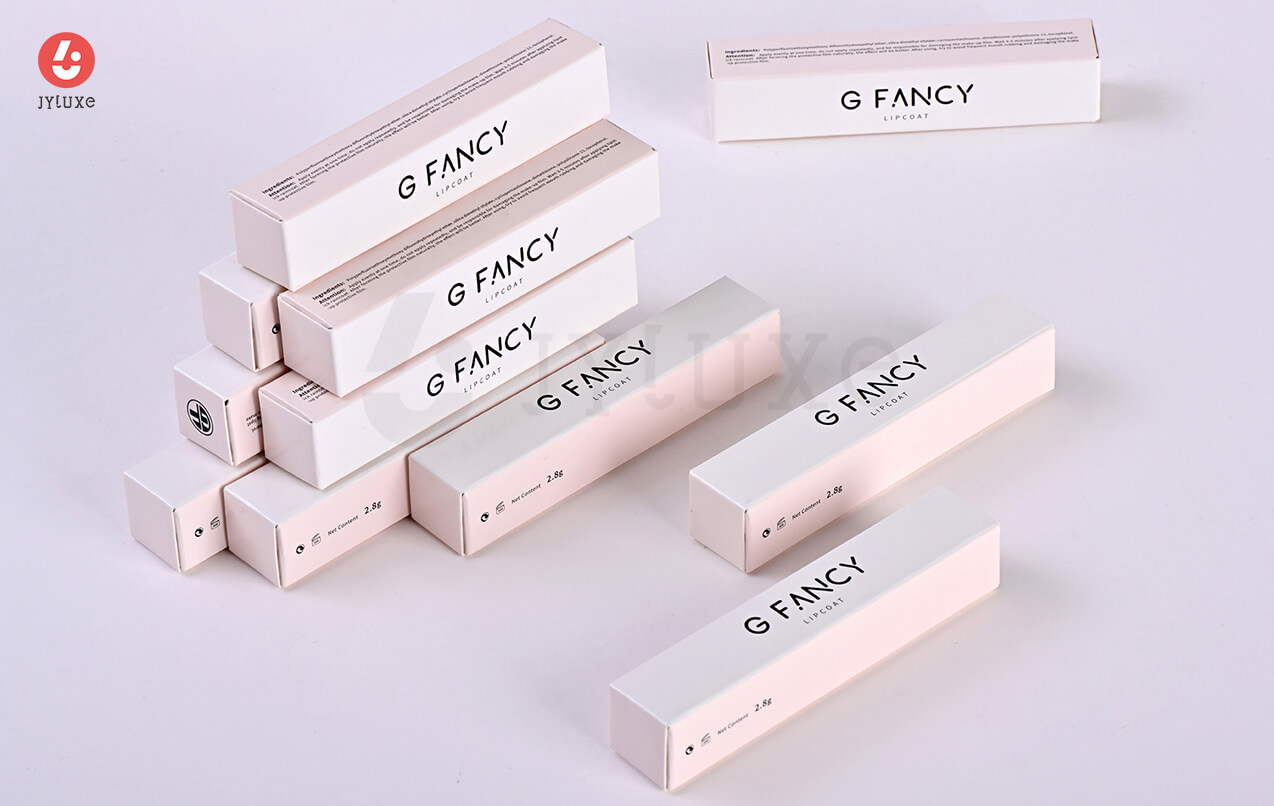
Stiffness and bulk: FBB's mechanical pulp core gives it more bulk (physical thickness) per gram compared to SBS. More bulk equals better stiffness. A premium cosmetic box in FBB can feel noticeably firmer than one in SBS at the same grammage. For brands where the tactile quality of the packaging contributes to the product impression, this difference is meaningful.
Stiffness efficiency: Because FBB achieves better stiffness at a given grammage, it's sometimes possible to specify a lower-weight FBB grade to match the stiffness of a heavier SBS grade. Whether this translates to cost savings depends on material pricing at the time.
Surface and print performance: Both boards have clay-coated surfaces and perform well under high-quality offset printing. For demanding print work — precise Pantone matching, fine-detail cosmetic cartons, complex color reproduction on food packaging — FBB and SBS perform at comparable levels. Print quality on FBB's clay-coated surface is excellent.
Back surface: SBS typically has a uniformly white back. FBB GC1 grade has a white back; GC2 has a slightly cream or off-white reverse. For packaging where the inside of the box lid or the back of a printed item is visible, specifying GC1 ensures a clean white appearance throughout.
Fold behavior: Under normal folding carton production conditions, FBB performs well. For very tight-radius folds or heavy embossing, the mechanical pulp core can behave slightly differently from SBS — pre-production sampling and crease-fold testing are standard practice for any demanding structural application.
Market context: FBB is the go-to white board in European packaging markets. SBS is standard in North American supply chains. For Asian markets and global sourcing, both are used — FBB is often specified for premium-tier projects or European-export-focused production.
Weight Ranges and Applications
FBB is available across a broad grammage range. Because of its bulk advantage, caliper (physical thickness) alongside grammage is worth specifying when structural performance matters:
Lower to mid weights (roughly 170–270gsm): Suitable for smaller folding cartons, lighter-duty retail packaging, and some commercial print applications — greeting cards, hang tags, product card inserts, and corporate print items where a clean, firm white board is part of the specification. FBB's stiffness advantage is meaningful even at lighter weights.
Mid to upper weights (around 270–400gsm): The primary range for most premium folding carton applications — cosmetic cartons, personal care packaging, confectionery, premium food cartons, retail gift packaging, and luxury brand folding structures. This is where FBB's stiffness-per-gram advantage has the most impact on finished packaging feel and performance.
Heavier weights: For applications requiring more structural integrity in a folding carton, or where specific caliper targets need to be hit without moving to a board type with different surface characteristics.
Industries and Products That Commonly Use FBB
Cosmetics and premium personal care — folding cartons for skincare, fragrance, and makeup at prestige price points. The board stiffness contributes to how the packaging feels in hand; the print surface handles brand color reproduction well.
Gift and luxury retail packaging — premium folding cartons and structured box formats for gift sets, seasonal and limited-edition products, and retail presentations where board quality is part of the perceived value.
Food and beverage packaging — in European markets especially, FBB is a standard board for quality food outer cartons: confectionery, premium bakery, tea and coffee packaging, specialty dry goods, and similar categories.
Consumer goods and lifestyle products — candle packaging, wellness and supplement outer cartons, premium accessories packaging, and other retail formats where packaging quality reflects the product positioning.
Commercial print — high-quality folding carton packaging is FBB's primary territory, but at appropriate weights it also appears in premium book covers, corporate presentation and folder materials, greeting cards, and branded stationery where a firm, bright white board is specifically needed.
Printing and Finishing on FBB Paperboard
FBB's clay-coated white surfaces handle the standard range of commercial printing and finishing processes well:
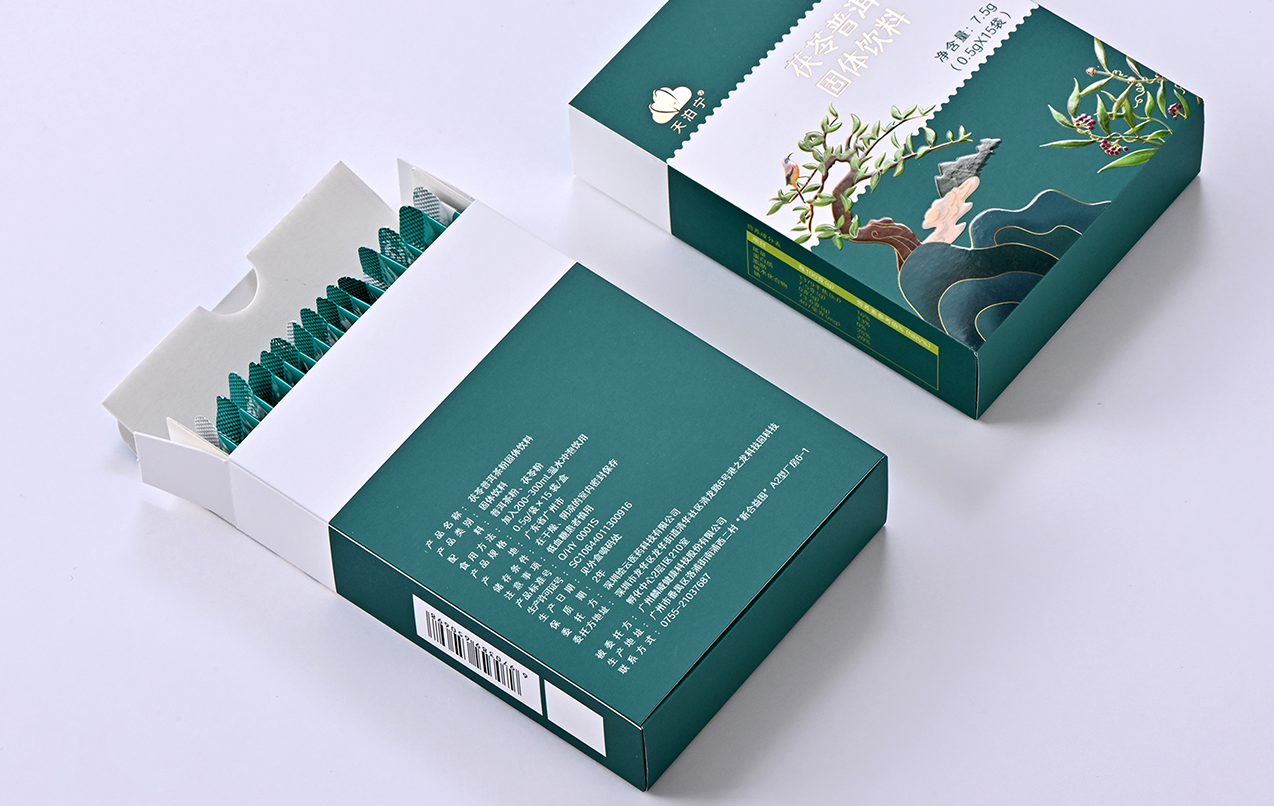
Printing: Offset CMYK and Pantone spot colors perform reliably on the smooth coated surface. Color consistency across production runs, fine detail reproduction, and bright color saturation are all achievable with properly calibrated press and ink setups. UV printing is also applicable for certain finish requirements.
Finishing: Gloss, matte, and soft-touch lamination; spot UV coating; hot foil stamping in gold, silver, and holographic variants; embossing and debossing; precision die-cutting and creasing. FBB handles these processes comparably to SBS, with the same general recommendation: pre-production sampling confirms finishing behavior on any specific board grade before full production.
One practical note worth mentioning: FBB's mechanical pulp core means it's slightly more moisture-sensitive than all-chemical-pulp SBS if stored in poor conditions. Standard temperature and humidity-controlled storage (which any serious print facility should have) addresses this, but it's worth confirming storage conditions when sourcing for large-volume production runs.
Custom FBB Packaging at JYLUXE
JYLUXE works with FBB-grade premium white paperboard for projects where stiffness, print surface quality, and board structure are part of the specification — typically premium cosmetic and personal care packaging, high-quality retail folding cartons, and demanding commercial print applications.
Based in Shenzhen and established in 2005, the facility covers over 6,000 square meters with Heidelberg offset printing equipment and comprehensive finishing capabilities. ISO 9001 and ISO 14001 certified, with a production team of 100+ trained technicians. Over 3,000 brands and businesses globally have worked with the JYLUXE team on packaging and commercial print programs.
For clients comparing FBB to SBS for a specific project, the team can discuss the technical implications and facilitate actual board samples and pre-production print testing — so the material decision is based on physical results rather than specifications alone. That step is especially valuable when switching from a familiar board type or setting a new quality benchmark for a packaging program.
Board Selection: A Few Things Worth Thinking Through
When deciding whether FBB is the right specification for a project, a few questions are worth working through:
Does stiffness per weight matter for your structure? If the box is lightweight and stiffness is important to how the package presents — cosmetic cartons, structured retail formats, gift packaging where the board needs to feel firm — FBB's bulk advantage is a real structural benefit. If stiffness is less critical and the design is straightforward, SBS at the right weight may be sufficient.
What's the target market? European markets, or projects benchmarked against European quality standards, often expect FBB as the default white board specification. For North American or globally distributed projects, both board types are accepted.
Back surface visibility? If the inside of the box lid, the inner surface of a folding carton flap, or the reverse of a printed product is visible in use, specifying GC1 (white back) grade ensures consistency throughout.
Sample before committing. For any premium packaging project, running print and fold tests on the specified board grade before production is the standard way to confirm results. FBB and SBS can look very similar on paper specifications but behave differently in ways that show up clearly when you have physical samples in hand.
Is FBB the Right Board for Your Packaging?
FBB makes a strong case when:
• The packaging needs to feel solid and structured — stiffness matters to how the product is perceived when picked up • Print quality is a priority and a bright, smooth white base is part of the specification • The project is for premium cosmetics, quality food packaging, luxury retail, or gift packaging where board performance is a visible part of the brand experience • The production is targeting European markets or benchmarking against European quality standards
SBS remains a very capable alternative — especially when supply chain convenience, cost at a given grammage, or North American market conventions are factors. For a lot of projects, running samples of both and comparing under actual production conditions gives a clearer answer than any specification sheet.
Whichever board type turns out to be right for the project, the goal is the same: packaging that performs well, prints accurately, and supports the brand the way it was intended to.
For FBB board enquiries, material comparisons, pre-production samples, or a custom packaging quote — reach out to the JYLUXE team at jyluxe.com.