
1Requirements >>
Specify your custom product type, quantity, intended use, and expected results. Design files or reference images are preferred.


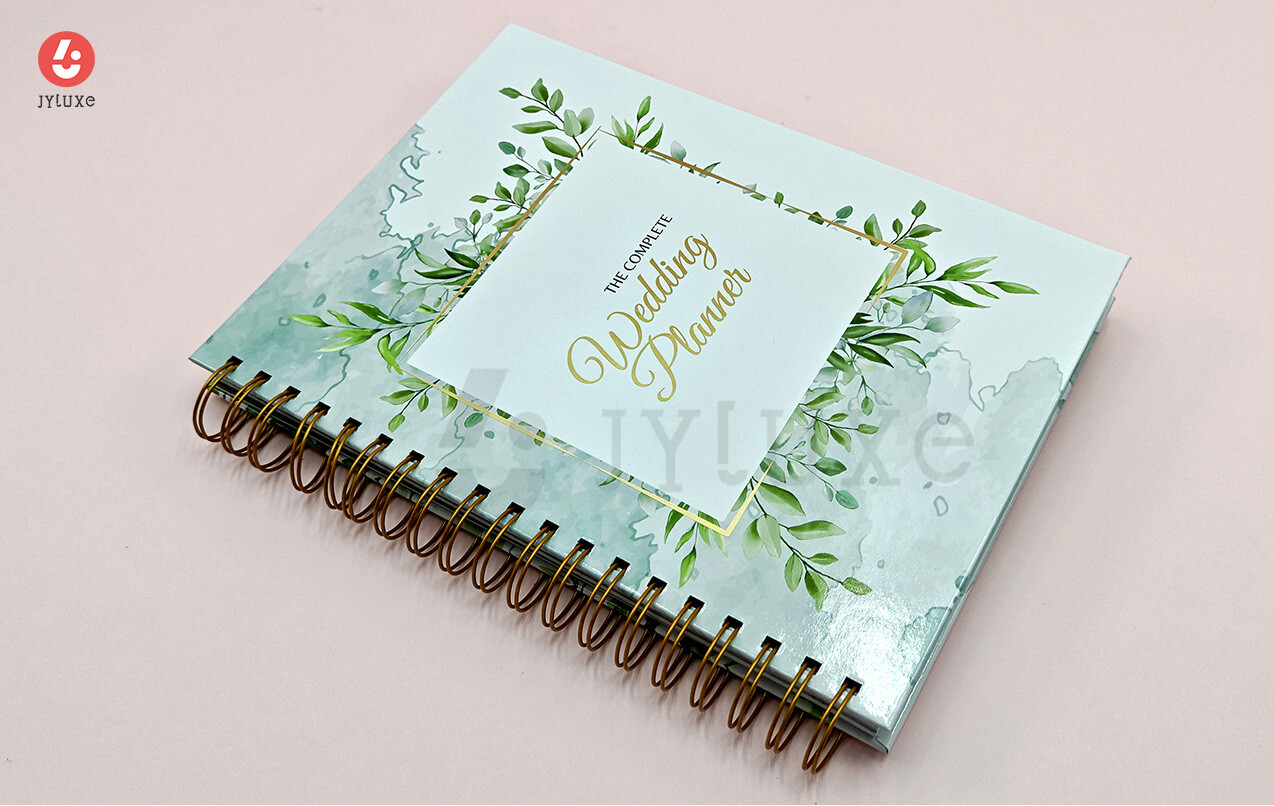
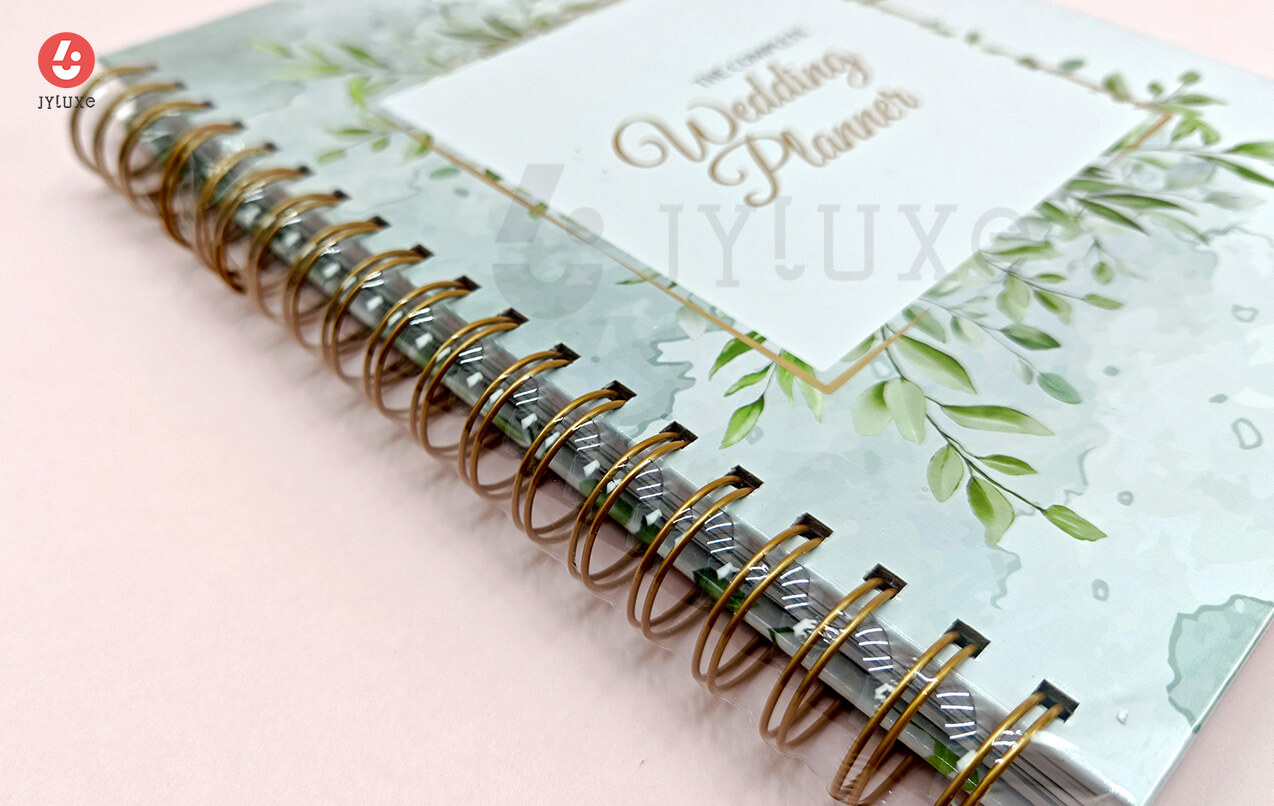
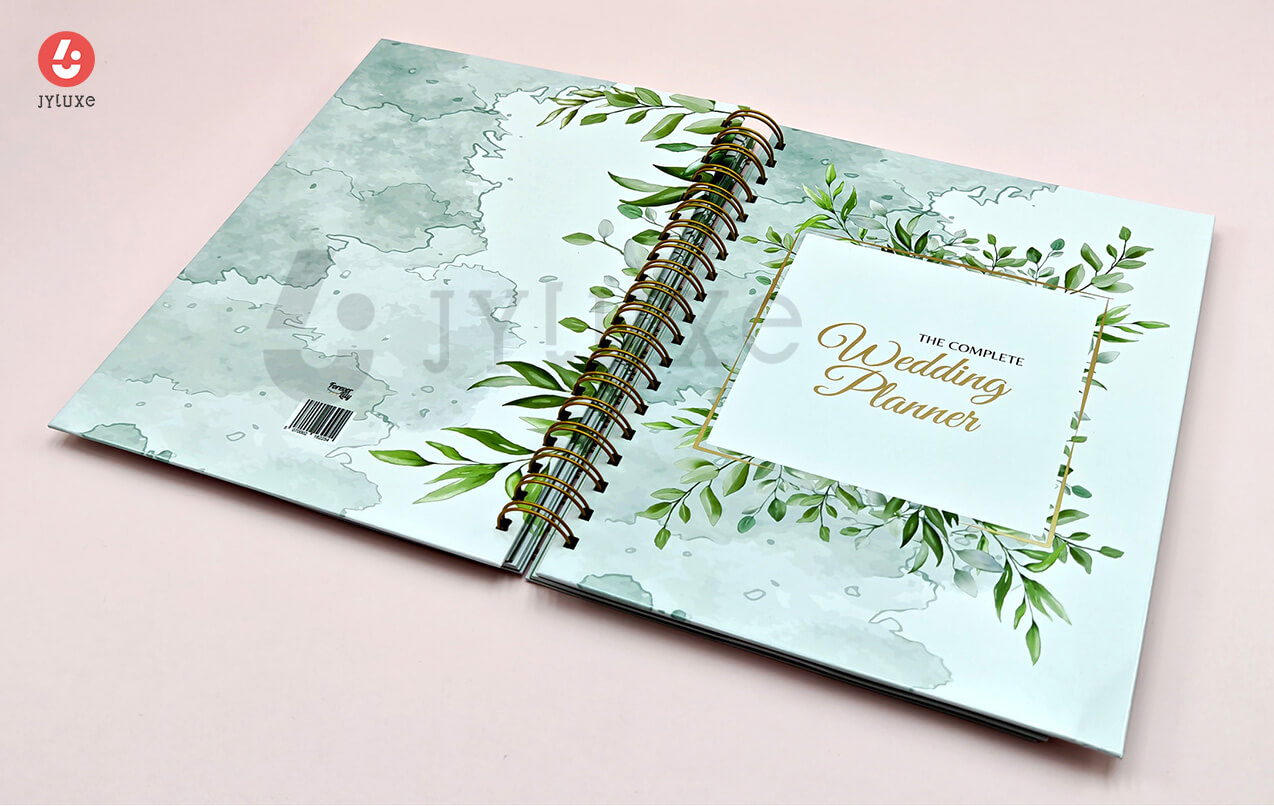
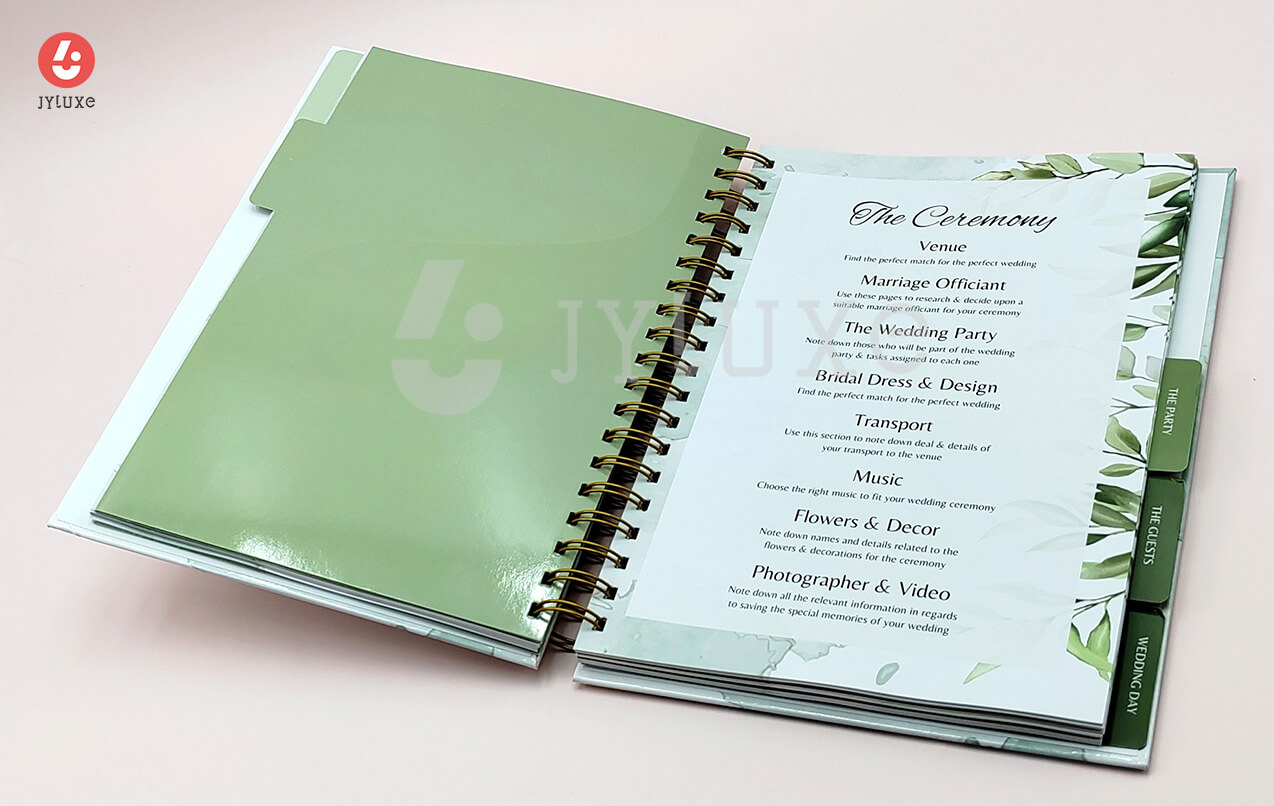
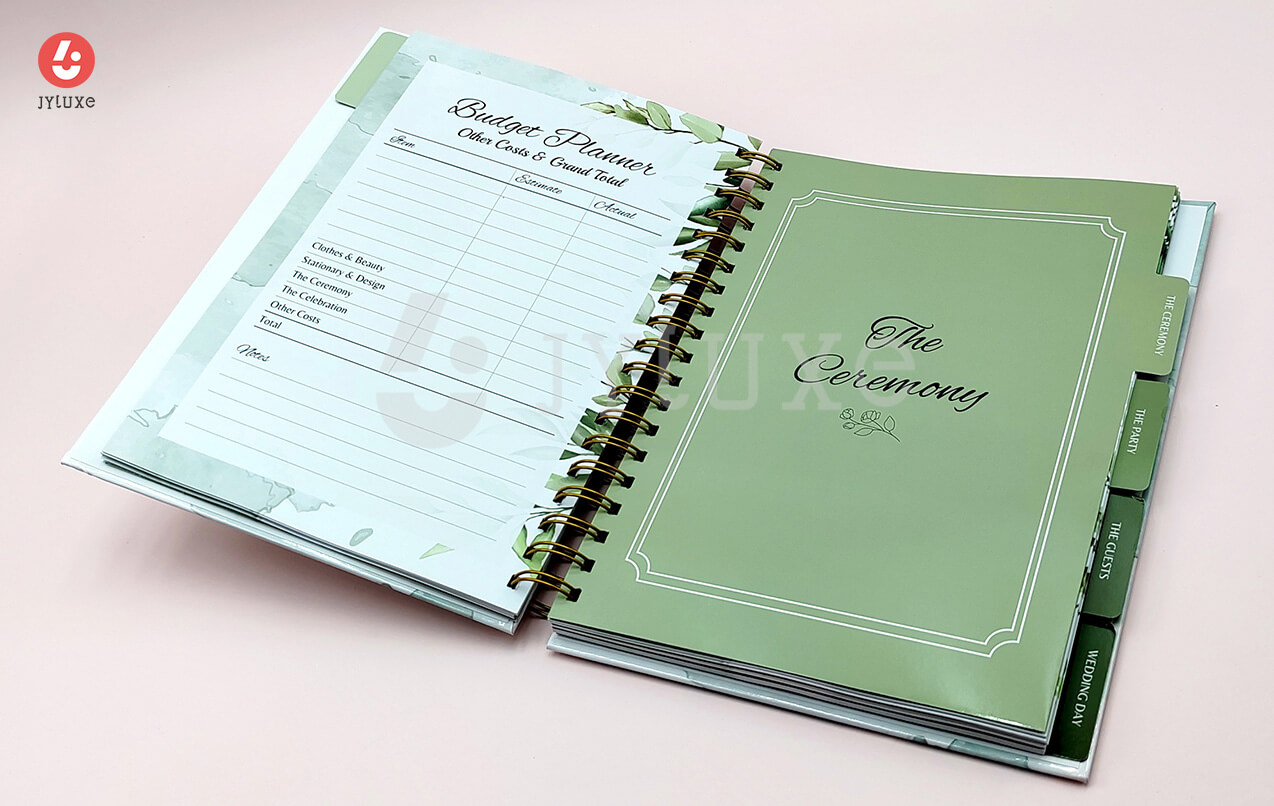
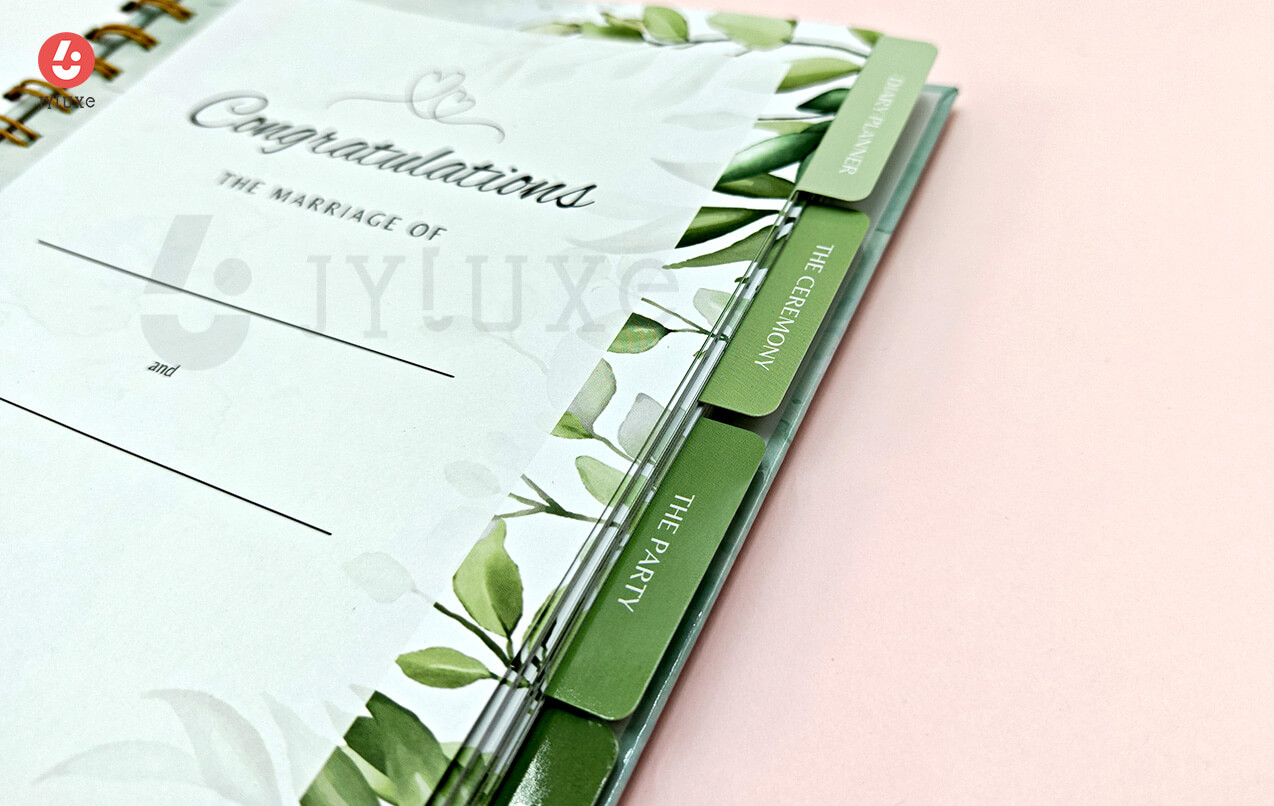
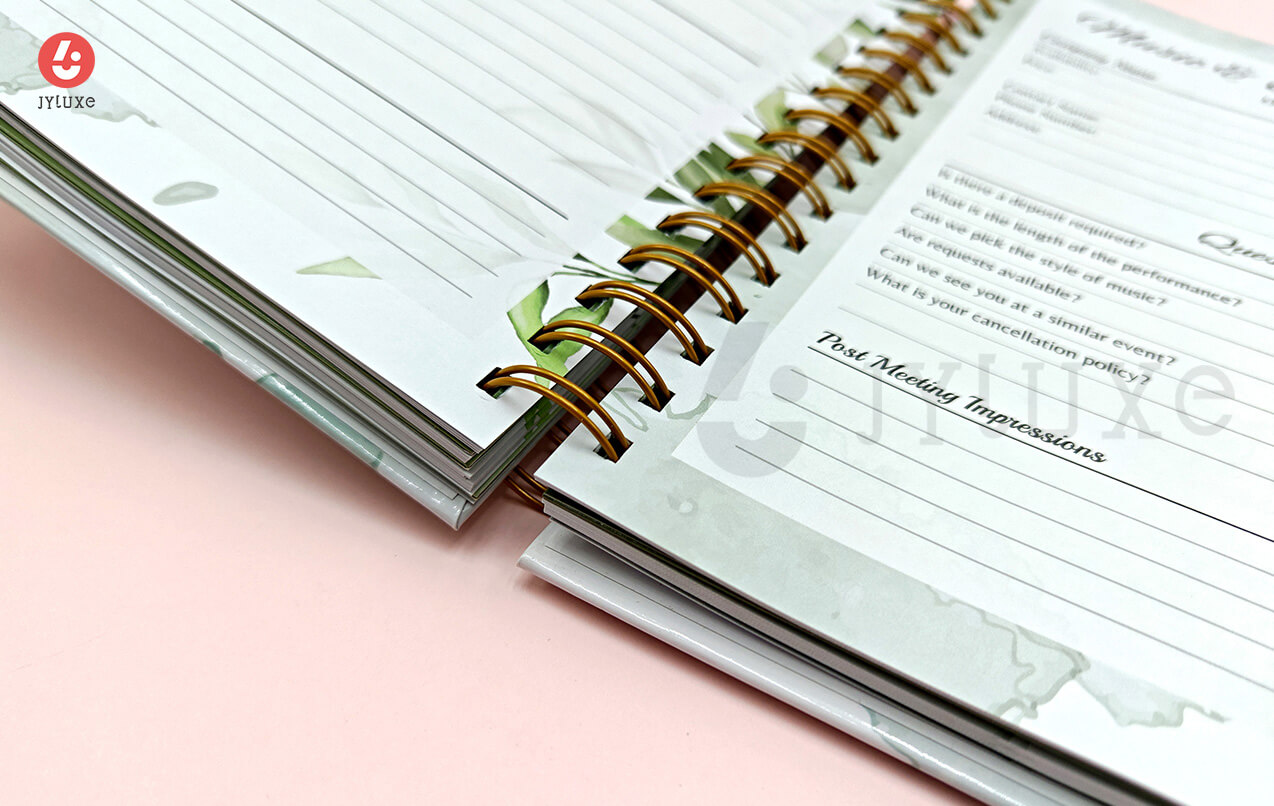
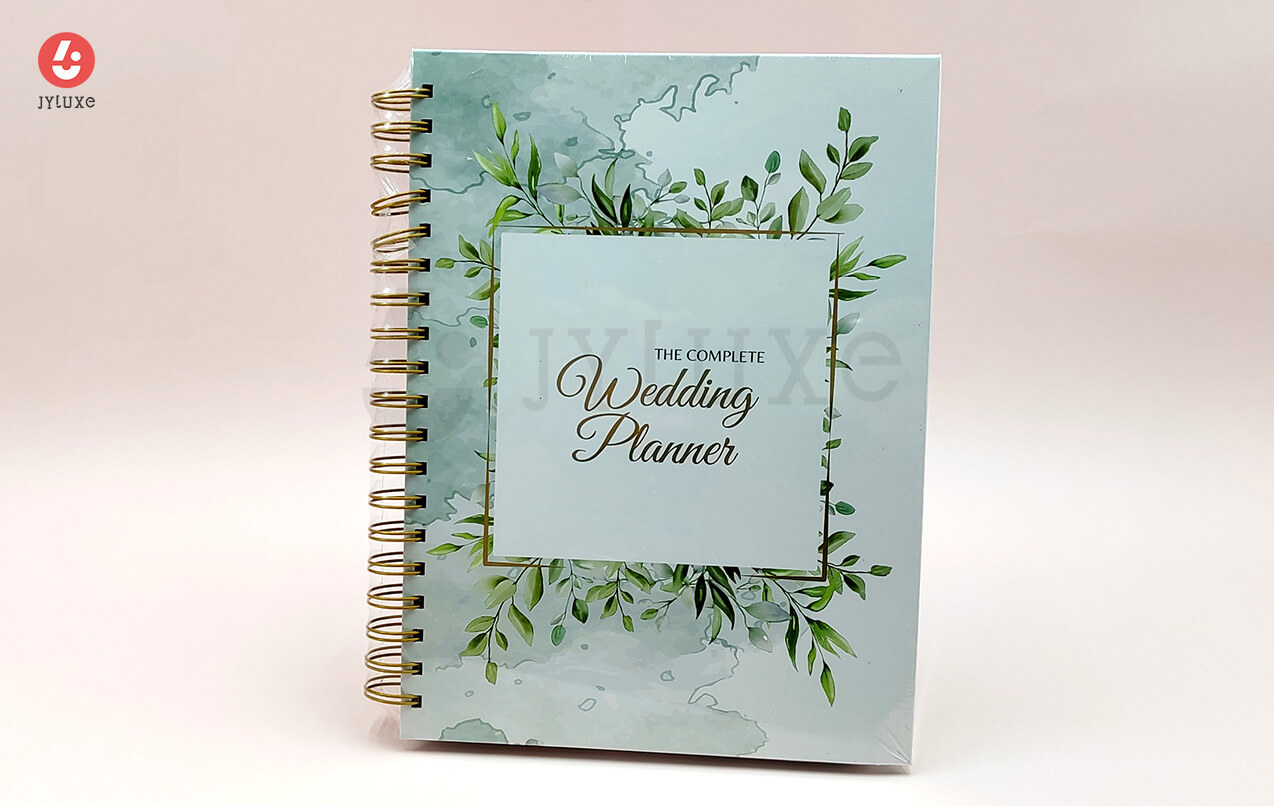
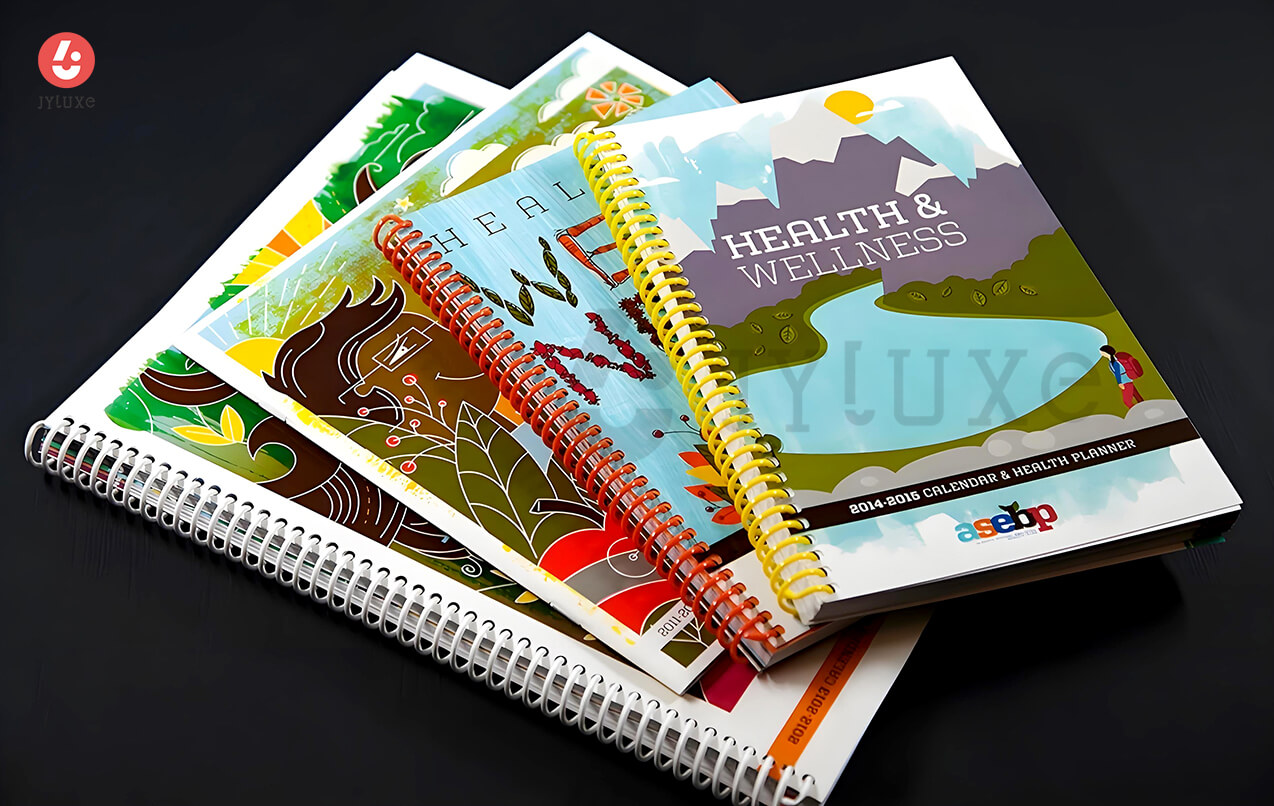
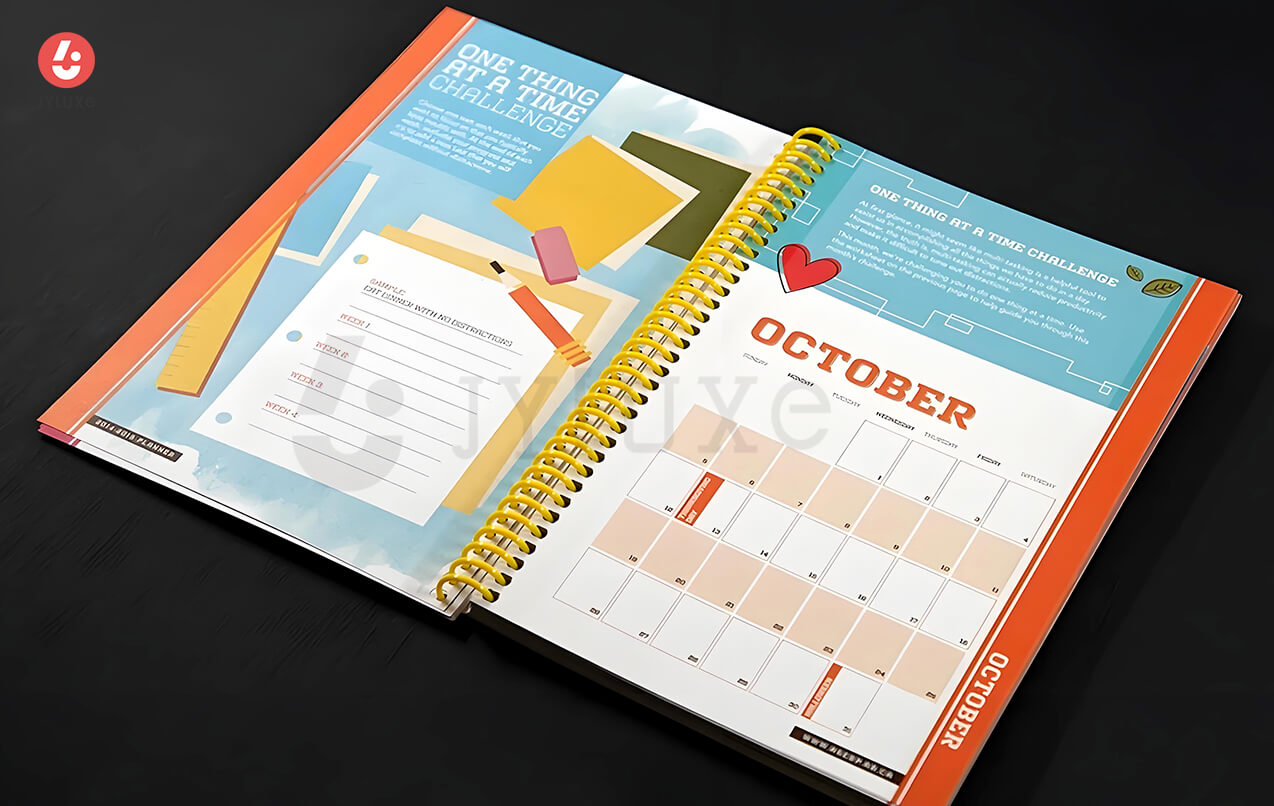
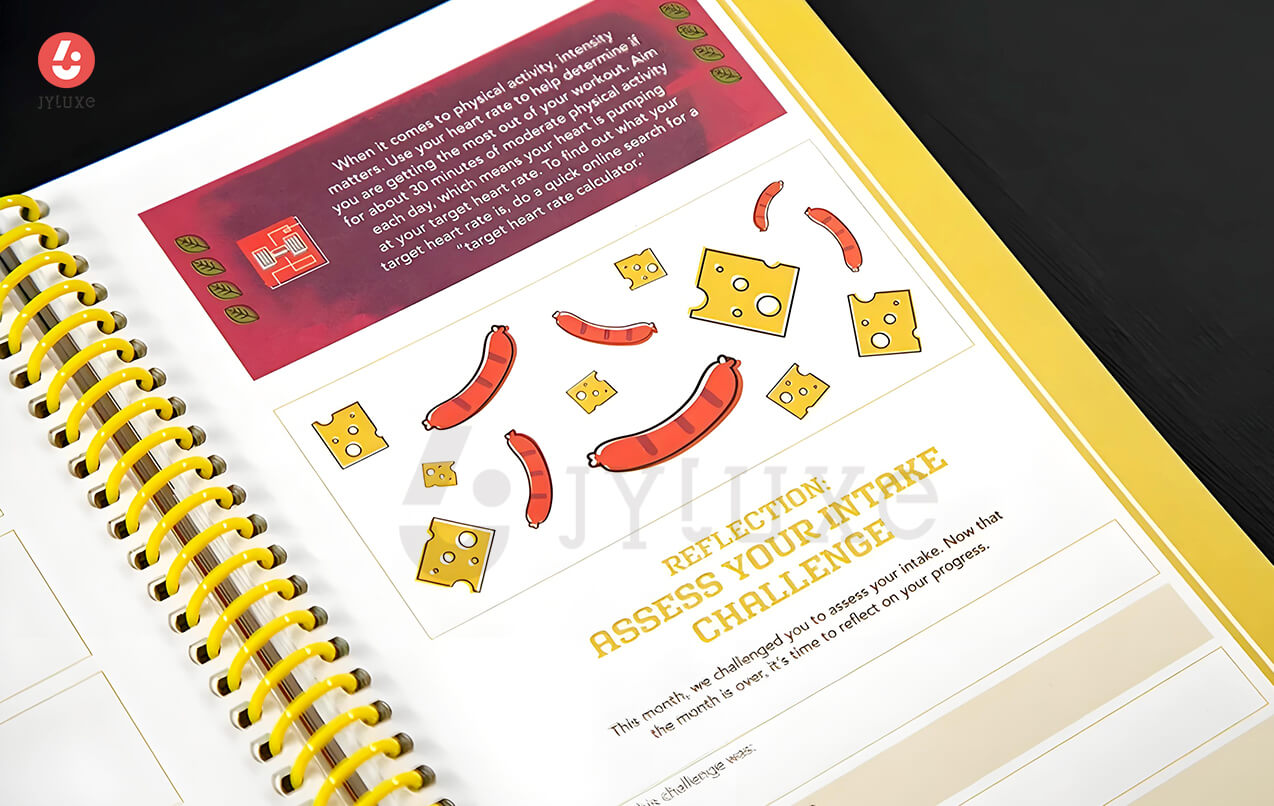
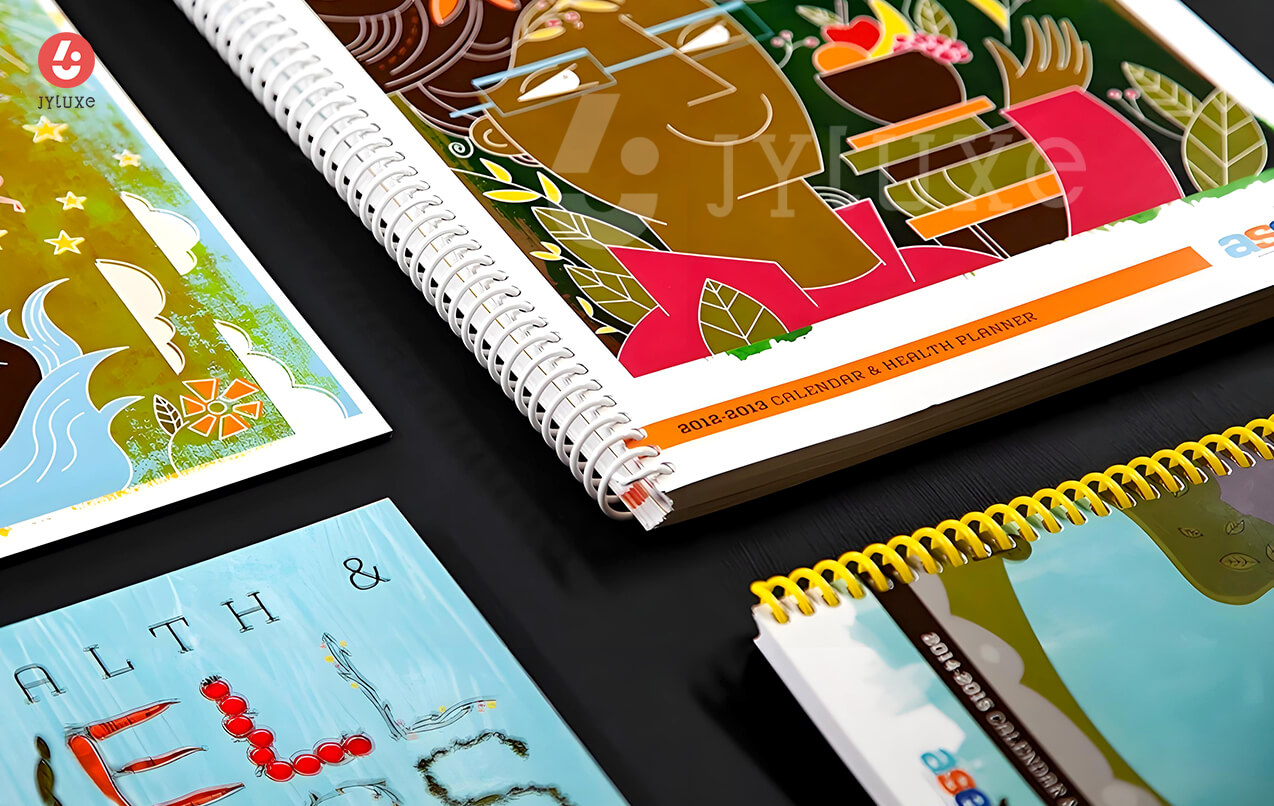
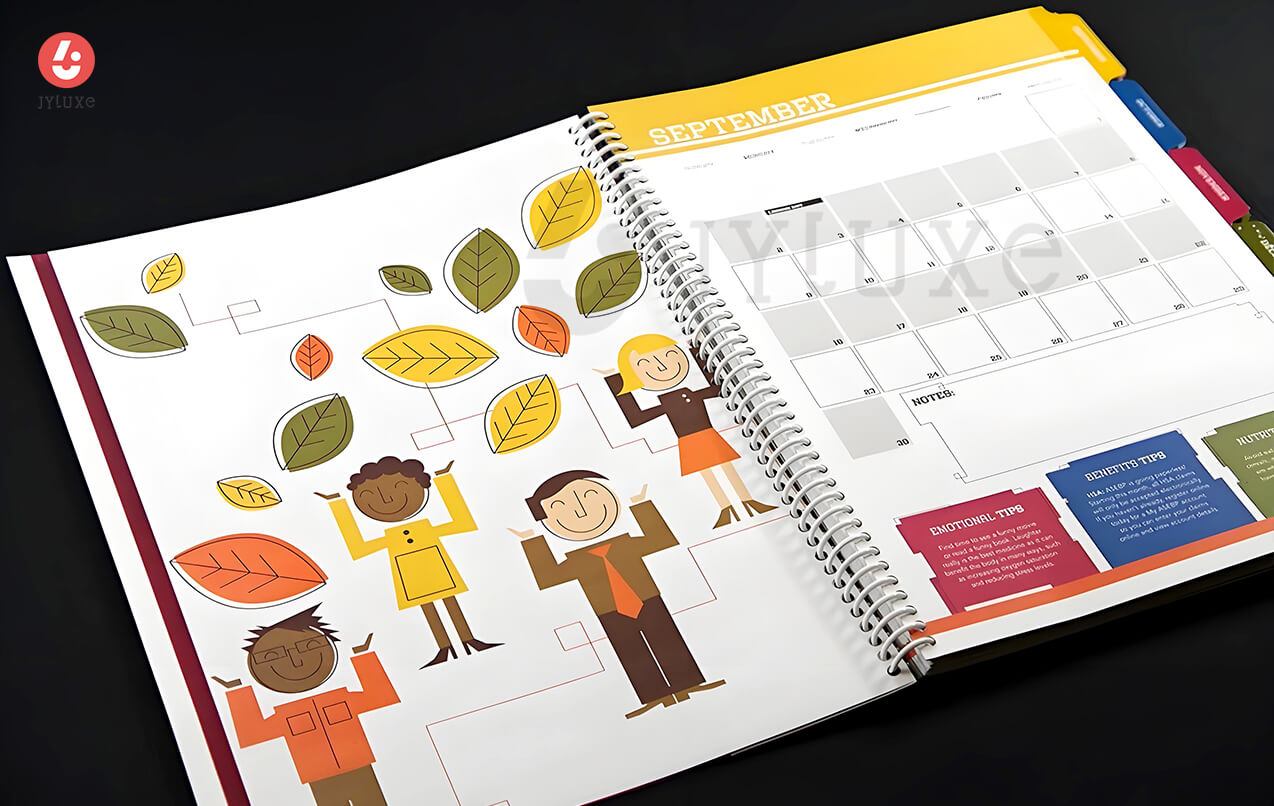
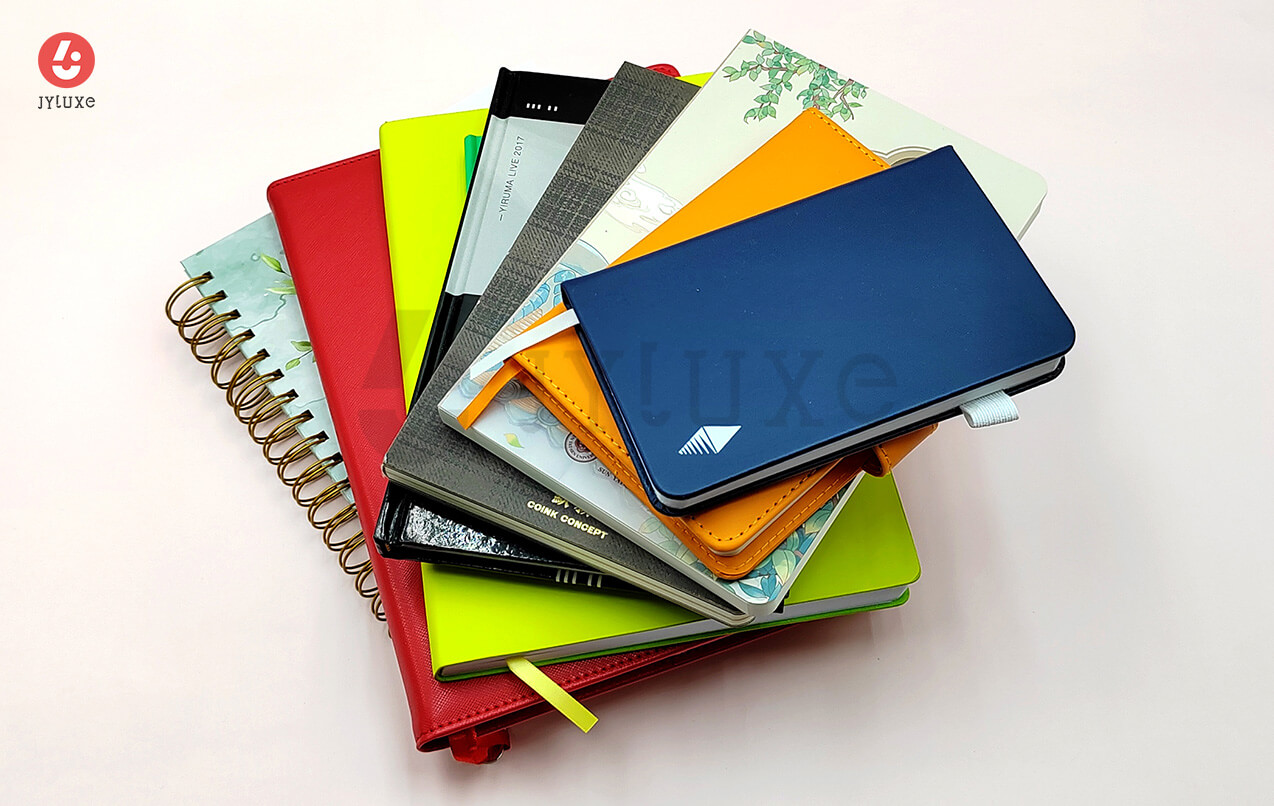
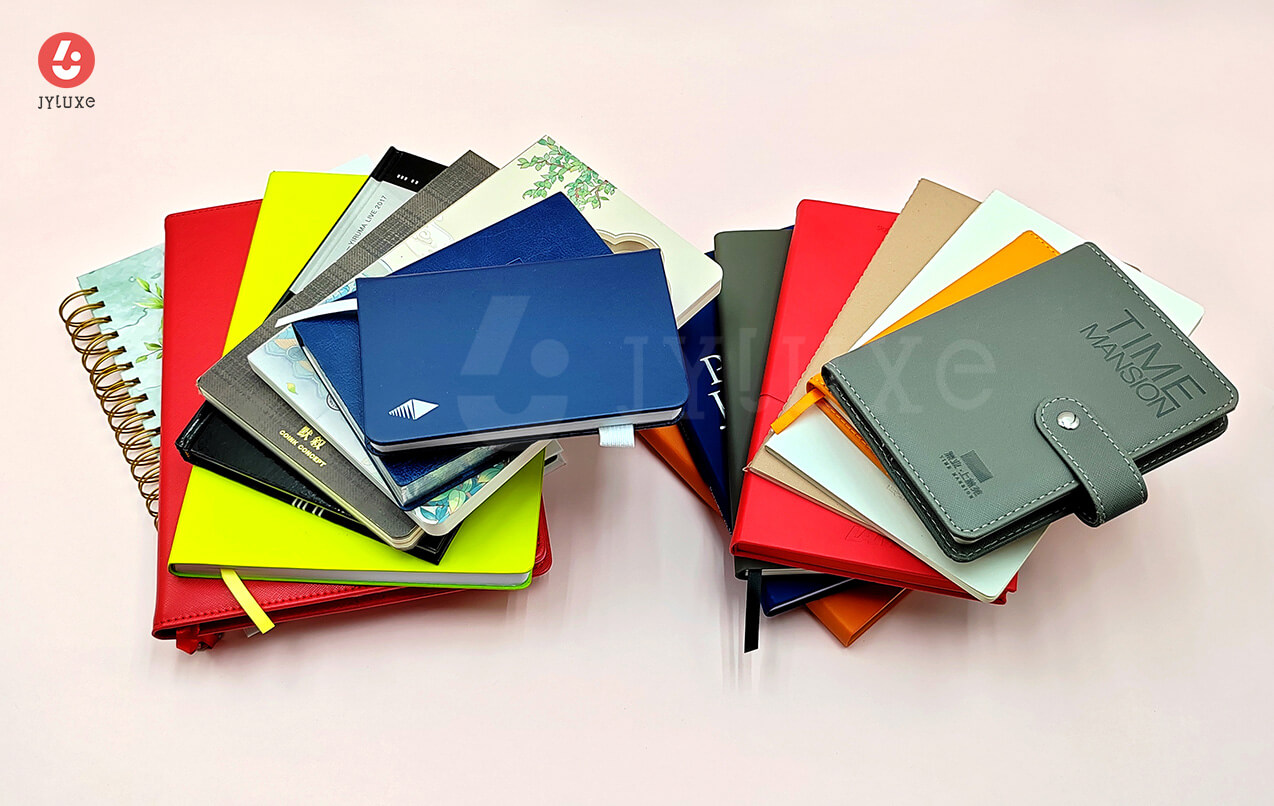
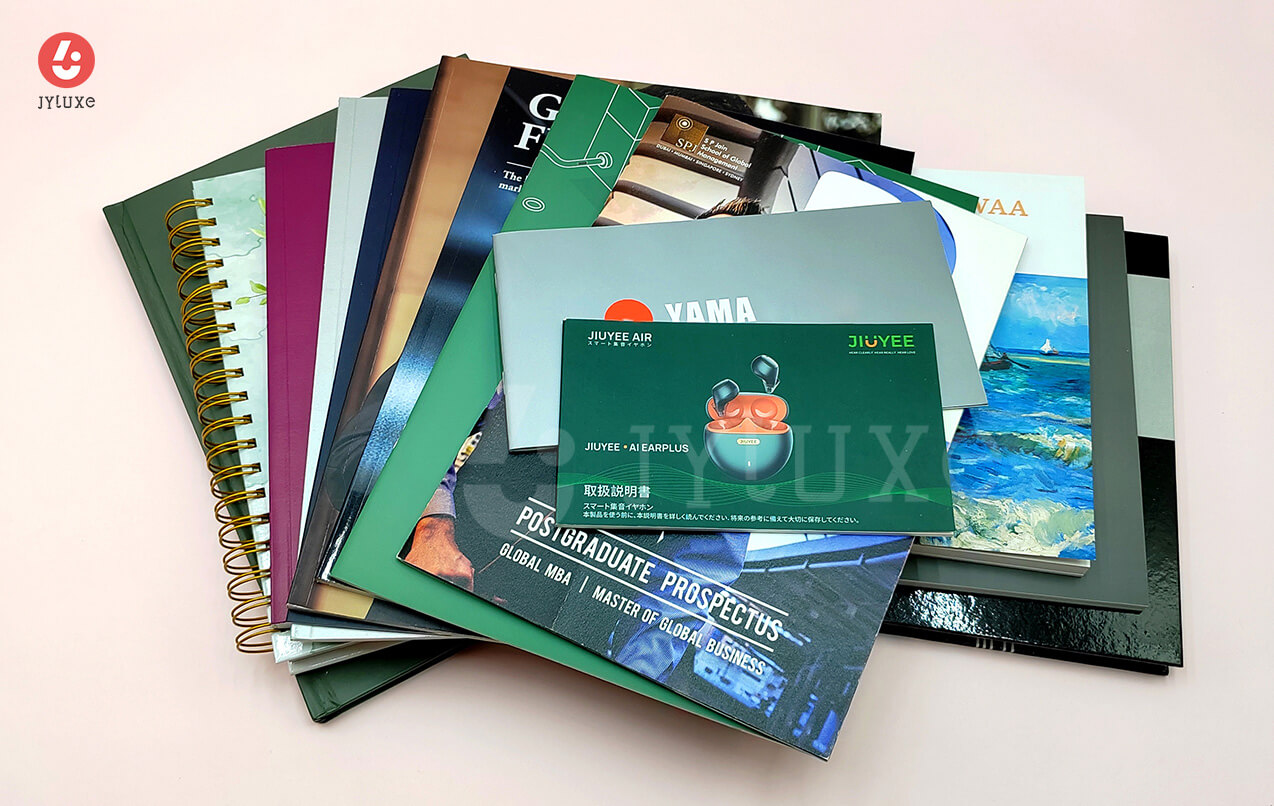
Drawing on 23 years of notebook printing experience, JYLXUE manufactures custom spiral bound notebooks and journals for corporate stationery, education, branded merchandise, events, creative projects, and more. B4, A5, and custom sizes are available, with covers in thick paperboard, specialty paper, SBS, coated paper, PP, or PVC. Full-color, Pantone, foil stamping, UV, embossing, and other finishes can be applied. Inside pages can be ruled, blank, grid, or dotted, with optional color pages, company information, product images, and other branded content. Plastic coil and Wire-O twin-loop binding allow the notebook to fold back and lie flat for convenient writing. Suitable materials and finishing combinations can be recommended from your design files, brand positioning, expected effect, and budget. • Flexible sizes, cover materials, layouts, and finishing options • Plastic coil and Wire-O binding for convenient flat writing • 23 years of notebook printing experience and value-added production support
| Size | Tailored to your product size, artwork files, and production requirements, perfectly matching your product and brand needs. |
| Available Box Styles | Common folding carton structures include tuck end boxes, gable boxes, auto-lock bottom boxes, hanging boxes, window boxes, duplex paperboard folding cartons, tear strip boxes, drawer boxes, retail boxes, ribbon boxes, and more; other box structures can also be customized to your artwork files and requirements, including rigid boxes, collapsible rigid boxes, shaped boxes, corrugated boxes, and more. |
| Paper Options | Papers commonly used for folding cartons include SBS Paperboard, FBB, metallic paperboard, textured specialty paper, kraft paper, black paperboard, pearlescent paper, art paperboard, uncoated paperboard, ivory paperboard, and more; common paper grammage is about 250–450 gsm. |
| Optional Finishing | Common processes include gold foil stamping, silver foil stamping, Pantone printing, embossing, debossing, gloss lamination, matte lamination, spot UV, die-cutting, varnishing, and more; other special processes such as soft-touch lamination, anti-scratch lamination, plastic-free film, frosted finish, screen printing, cold foil, drip-off UV, sculptured foil stamping, tear strips, and window patching can also be customized. |
| Optional Inner Trays | Paperboard inserts, blister trays / vacuum-formed trays, and more. |
| Optional Accessories | PP/PET/PVC window film, ribbons, magnets, external hang tabs, and more. |
| Applications | cosmetics, skincare, perfume, dietary supplements, health packaging, herbal tea, food, chocolate, coffee, bakery, cereal, electronics, tech accessories, mobile phone accessories, toiletries, soap, toothpaste, pet products, stationery, sporting goods, retail, e-commerce brands, and other industries and fields. |
| MOQ | The suggested minimum order quantity for folding cartons is 1,000 pcs or more; larger orders receive a lower unit price. |
| Sampling Lead Time & Methods | We offer multiple sampling methods, including digital sampling, offset sampling, and printing-process sampling. Sampling time is about 7–20 days, depending on different sampling requirements. |
| Production Lead Time | Bulk production lead time for folding cartons is about 10–35 days, depending on box structure, order quantity, and different custom requirements. Please contact our online specialists for accurate information. |
| Packaging & Shipping | We offer pre-shipment quality inspection and, based on product needs, use moisture-proof bags, sturdy cartons, pallets, or full-container shipping; air, sea, or land freight is used according to different countries, regions, and customer timing requirements, to reduce shipping costs and ensure product safety. |





Uncoated paper and uncoated paperboard are exactly what the name says: paper or board that hasn't received a clay, polymer, or other surface coating during manufacturing. Coated stock (like SBS or FBB paperboard, or coated art paper) gets a smooth mineral coating applied to the surface specifically to control ink absorption and create a glossy or satin sheen. Uncoated stock skips that step, leaving the natural surface of the pulp fiber exposed.
This has a few direct consequences. The surface is more porous, so it absorbs ink rather than holding it on top — this is why colors on uncoated stock tend to look slightly more muted and less saturated compared to the same design printed on coated stock. The surface doesn't reflect light the way coated stock does, giving it a flat matte appearance regardless of any varnish or lamination. And the surface retains a subtle natural texture from the fiber itself, which is part of what gives uncoated paper its distinctive tactile quality.
In trade terms, uncoated stock made from bleached chemical wood pulp is often called Uncoated Woodfree (UWF) paper or board — distinguishing it from lower-grade uncoated stock made with mechanical pulp, which is rougher and used for things like newsprint. Most premium uncoated stock used in branded printing and packaging falls into the woodfree category.
Industries and Products That Commonly Use Uncoated Paper or Paperboard
Book and editorial printing — novels, art books, journals, architecture and design books, children's board books, and most long-text print formats default to uncoated interior paper. Cover stock may be coated or uncoated depending on the design.
Stationery and creative goods — notebooks and journals (covers and interior pages), greeting and holiday cards, invitation suites, postcards, branded letterhead and envelope sets.
Fashion and retail — hang tags and swing tags, particularly for brands with a natural, minimal, or sustainability-forward aesthetic.
Packaging with a natural or minimal-process look — folding cartons, gift boxes, and paper bags for cosmetics, food, wellness, and lifestyle brands that want packaging to read as deliberately understated rather than glossy or highly processed.
Corporate and commercial print — presentation folders, annual reports, premium brochures, and branded print materials where a more restrained, tactile print quality fits the brand's communication style.
And more across categories where the natural surface quality and reduced reflectivity genuinely serve the design — restaurants and hospitality menu printing, educational and architecture publishing, art and design portfolios, and similar applications.
